A rule in a game is one of a child’s first social contracts. If we keep rewriting that contract to protect a child from frustration, we deprive them of the opportunity to learn that not every rule in life can be adapted to their wishes.
Imagine this.
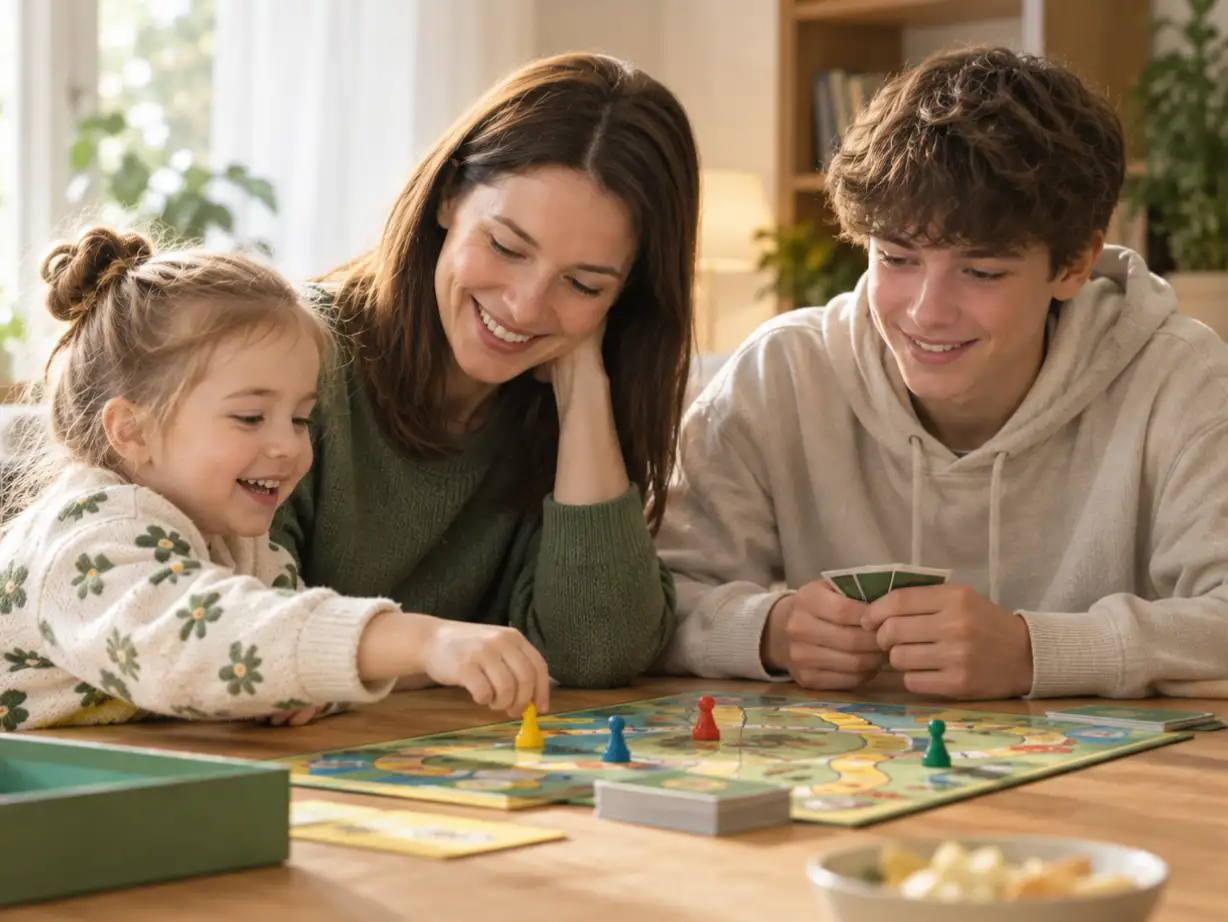
A family is playing a board game. The child starts losing, becomes upset and tries to change the rules in their favour. Watching this is difficult for adults, especially when the child has special educational needs and already spends much of the day making an extraordinary effort to meet the demands of the world around them. So they allow one more move, overlook a broken rule, or simply let the child win. It seems harmless. After all, it’s only a game. But in reality, these simple moments teach children far more than how to move pieces around a board.
Games are one of the safest places for children to develop social skills. Through play, they learn to wait their turn, negotiate, consider other people’s wishes, compromise, ask for help and cope with mistakes. They gradually discover one of the most important principles of social life: my wishes matter, but so do everyone else’s.
Unfortunately, adults often fall into a trap created by the best of intentions. We know it is harder for some children to switch between activities, wait, regulate strong emotions or cope with unexpected changes. We see how much school—and the world around them—already demands of them, so naturally we want home to be a place where life feels a little easier. That is how thoughts like these appear: “I don’t want to upset them.” “They already have enough to deal with.” “Losing is especially hard for them.”
These thoughts come from a place of care. But they should also lead us to another question: What will the child learn from this?
Children who find it harder to learn social rules do not need fewer opportunities to encounter them—they need more. But those experiences must be gradual, understandable and safe.
As children grow, social expectations continue to increase. What adults may excuse in early childhood by saying “He’s still little” or “This is difficult for her” can later affect friendships, education, employment and a person’s ability to be part of a group. That is why we cannot simply expect social skills to develop with age.
A rule in a game can be seen as one of a child’s first social contracts. There is me, there is another person, and there is an agreement that applies equally to both of us. I may want to come first, but I won’t always. I may desperately want to win, but sometimes I will lose. My wishes matter, but so do someone else’s. And even when things do not go the way I hoped, our relationship remains intact.
So the next time a child breaks the rules of a game, parents and professionals might ask themselves a different question. Instead of asking, “How can I make sure the child follows the rules?” try asking, “What skill is the child missing that would help them follow those rules?”