Which matters more for a child’s future: one more academic skill or the ability to manage their own morning?
When children reach school age, adults naturally focus on preparing them for learning: letters, numbers, writing and reading. Will the child be able to sit through a lesson, follow instructions, hold a pencil and read a sentence? For children with special educational needs (SEN), the list is often even longer. Alongside school and homework come sessions with psychologists, speech and language therapists, special education teachers and other specialists. Amid all these goals, one important question often gets overlooked: what is our child gradually learning to do without us?
A child may be able to read and count—but do they know when it is time to take a shower? Do they notice when their clothes are dirty and need changing? Can they pack their school bag for the next day, prepare a simple snack, organise their morning, or tell how much time is left before leaving home? And what happens if their usual routine is suddenly disrupted?
These skills rarely receive as much attention as academic achievement. They are not graded, yet they largely determine a child’s quality of life and how much they depend on others.
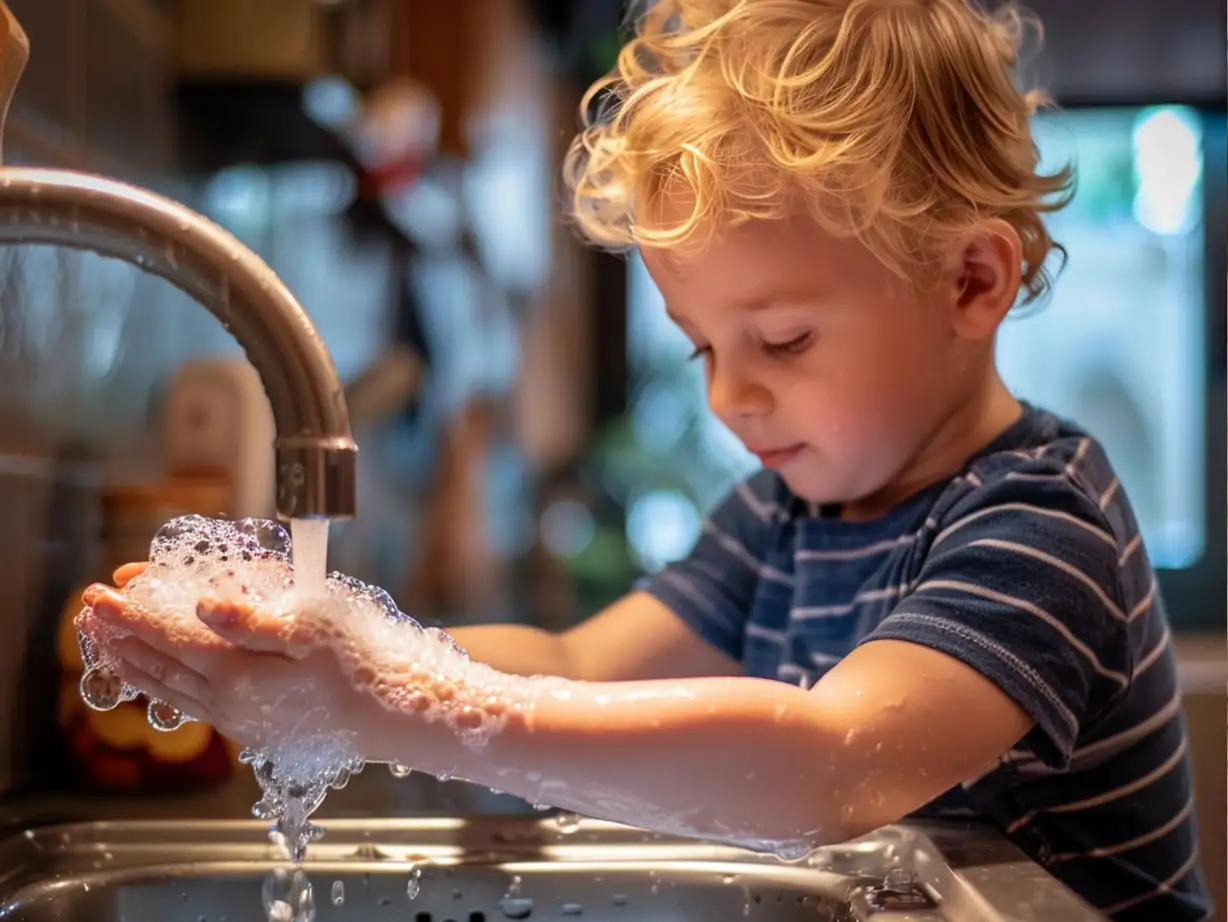
When we talk about self-care, we often think of a fairly limited set of tasks: brushing teeth, getting dressed, using the toilet and washing hands. In reality, functional independence goes much further. It includes caring for your body, maintaining personal hygiene, choosing clean clothes, using everyday household items, preparing simple meals and cleaning up after yourself. But an equally important part of independence is learning to plan your own actions: understanding what needs to be done, in what order, what you will need, how long it may take, and what to do if things do not go according to plan.
It is often this last group of skills that goes unnoticed. A child may know how to get dressed, but still wait every morning for an adult to say, “Now it’s time to get dressed.” They may be able to pack their school bag independently—but only after Mum lists everything they need. They may know how to brush their teeth but never begin without a reminder. Each individual skill is there, yet independence still is not, because the adult remains the child’s organiser.
The child grows, but the adult continues to serve as their reminder, planner, organiser and supervisor. Then one day the family wonders, “Why doesn’t our child do anything independently?”
Yet there is a very fine line between not doing something independently and not having enough opportunities to learn to do it independently. Skills that should have been built gradually over years cannot be developed in just a few months.
That is why parents and professionals should periodically ask themselves, “Does our support help this child gradually become less dependent?” “If today we pack the school bag together, can the child do it tomorrow using picture prompts?” “If it currently takes five reminders, can the next goal be three, then one, and eventually using a visual schedule on their own?”
Let’s think about how we can gradually hand over at least some of the adult’s tasks—”Get up.” “Get dressed.” “Brush your teeth.”—to the child.
Independence does not mean doing everything without help. Every child will reach a different level of independence. What matters is not doing for children what, with the right support, they can gradually learn to do themselves. Because our goal is to create the conditions in which, tomorrow, they can do as much as possible without us.